TMS and electronic invoicing: the winning duo to digitalize your transport in 2026
Why combining TMS and electronic invoicing becomes strategic in 2026
The road freight transport sector is going through a period of profound transformation. Between the generalization of electronic invoicing planned by the French reform, the pressure on margins and the growing demands of clients, carriers must rethink their administrative organization. In this context, the coupling between a TMS (Transport Management System) software and an electronic invoicing solution stands out as a major competitive lever.
Far from being a simple regulatory obligation, this digitalization represents a unique opportunity to streamline operations, reduce hidden costs and improve cash flow. But you still need to understand the challenges and choose the right tools.
Understanding TMS software: the carrier’s operational brain
A TMS (Transport Management System) is a software platform dedicated to the overall management of transport operations. It covers the entire life cycle of a transport order, from acceptance to final invoicing.
The key features of a modern TMS
- Route planning and optimization: itinerary calculation, vehicle and driver assignment
- Real-time tracking of shipments and fleet geolocation
- Document management: waybills, CMR, paperless delivery notes
- Economic management: cost price calculation, margins by customer or by route
- Customer communication: booking portals, automatic notifications, electronic proofs of delivery
According to a recent ARCEP study, carriers equipped with a TMS observe on average a reduction of 12 to 18% in their operating costs and a 30% gain in administrative productivity.
Electronic invoicing: a regulatory and operational revolution
From September 2026, all French companies will have to be able to receive electronic invoices, and progressively to issue them. This reform, led by the General Directorate of Public Finances (DGFiP), is overturning traditional invoicing practices.
What is an electronic invoice in the legal sense?
An electronic invoice is not just a PDF sent by email. It is an invoice issued, transmitted and received in paperless form, in a structured format (Factur-X, UBL, CII) allowing automated processing. It transits through a partner dematerialization platform (PDP) or through the public invoicing portal.
The obligations to anticipate
- Ability to receive electronic invoices for all companies from September 2026
- Progressive obligation to issue invoices according to company size
- Transmission of transaction data (e-reporting) to the tax authorities
- Compliant invoice retention for 10 years
TMS + electronic invoicing: why this duo is a game changer
Taken in isolation, each of these tools brings value. But it is their native integration that reveals the true transformation potential for transport companies.
A seamless value chain
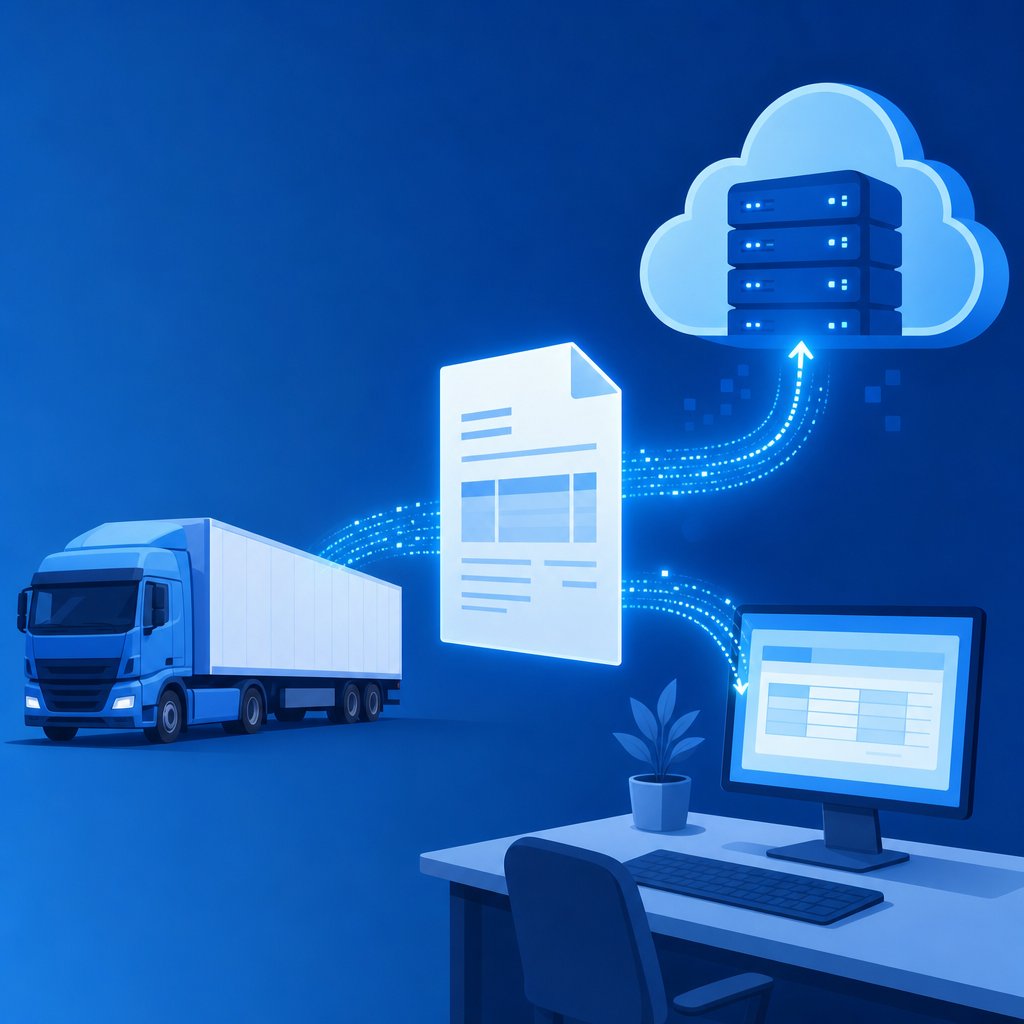
In a traditional transport operation, information flows through multiple channels: order by email, planning on Excel, tracking by phone, paper delivery note, accounting re-entry, manual invoicing. Each step generates risks of error and delays. With a TMS connected to an electronic invoicing solution, the flow becomes continuous and automated:
From order taking to collection, each piece of data is entered only once and propagates automatically throughout the information system.
The concrete benefits for the carrier
- Reduced payment terms: an electronically issued invoice is paid on average 8 to 12 days earlier
- Drastic reduction in disputes: digital proofs of delivery are automatically attached to invoices
- Administrative savings: elimination of paper, postage and processing time (up to 70% savings on the invoicing function)
- Guaranteed tax compliance: standardized formats, legal archiving and integrated e-reporting
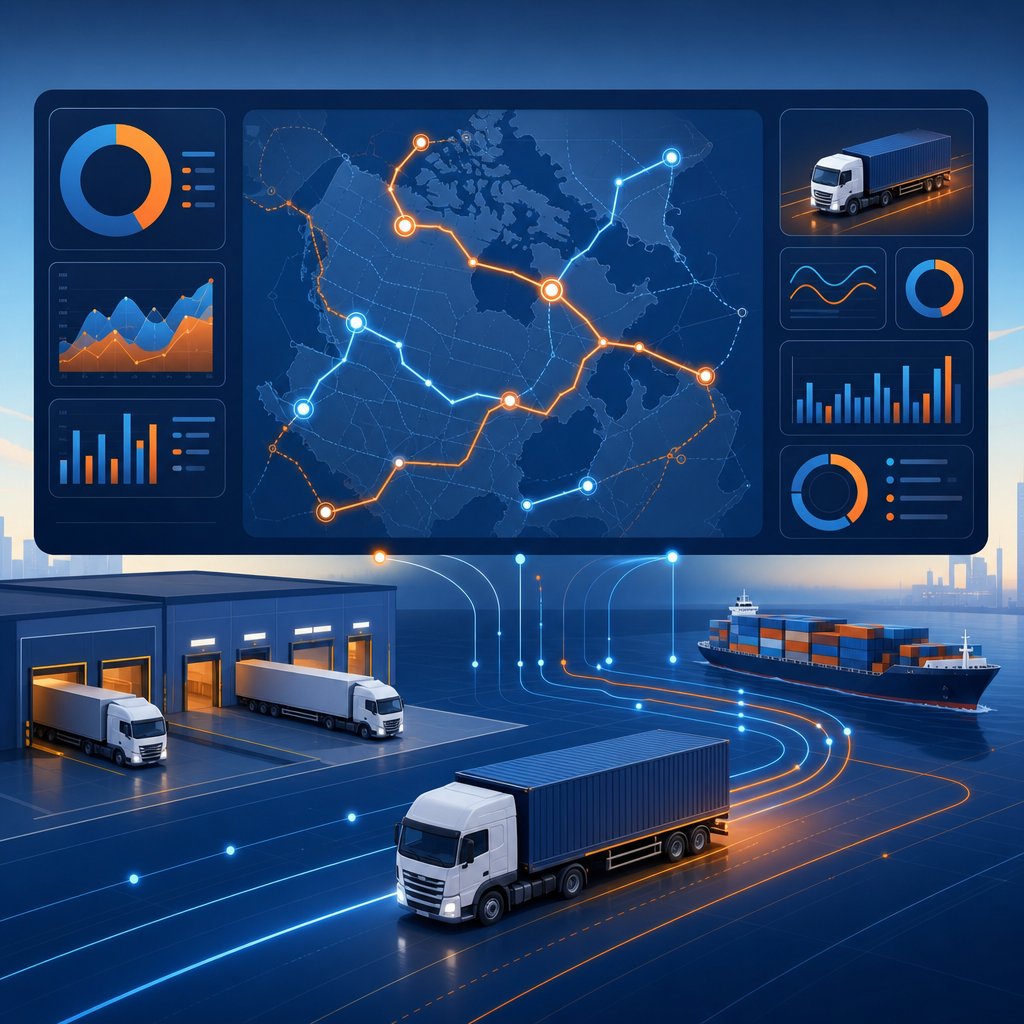
- Better financial visibility: real-time dashboards on turnover, outstanding balances and profitability
How to choose the right TMS / electronic invoicing combination?
Not all tools are created equal, and the classic mistake is to choose a TMS and an invoicing solution separately, then discover integration problems. Here are the essential criteria.
Check native integration or available connectors
Favor a TMS that natively integrates electronic invoicing or that offers certified connectors with the main PDPs on the market. A robust API, real-time synchronization and automatic life cycle management (invoice statuses, reminders) are essential.
Ensure regulatory compliance
The publisher must guarantee compliance with legal formats (Factur-X minimum), support for e-reporting, and ideally have the status of Partner Dematerialization Platform (PDP) or a solid partnership with a registered PDP.
Adapt the tool to your specific activity
Parcel delivery does not have the same needs as full truckload, refrigerated, bulk or exceptional transport. Check that the TMS offers:
- The specific business modules for your activity
- A fine-grained pricing management (grids, special conditions, fuel surcharges)
- An ergonomics adapted to dispatchers and drivers alike (mobile app, ePOD)
- An evolutivity to support your growth
Evaluate the business model and support
SaaS (Software as a Service) solutions in monthly subscription mode are now largely predominant. They avoid heavy investments and guarantee regular updates. Pay attention to the total cost of ownership: subscription, set-up fees, training, support, and the cost of electronic invoicing transactions.
How to succeed in your digitalization project?
Step 1: Map your current processes
Before any tool choice, take the time to analyze your organization: who does what, with which tools, in how much time? This snapshot often reveals unsuspected optimization opportunities.
Step 2: Define your priority objectives
Do you first want to reduce your administrative costs? Improve your cash flow? Gain visibility? Prepare for 2026 compliance? Prioritizing the issues makes it possible to choose the most relevant tool.
Step 3: Select the right partners
Request personalized demonstrations, customer references in your sector, and test the tools in real conditions. The quality of the support and the sustainability of the publisher are as crucial as the features.
Step 4: Lead the change
The success of a digitalization project depends 30% on the tool and 70% on people. Involve your teams from the start, plan a suitable training program and appoint internal champions.
Everest: a partner to succeed in your digital transformation
A recognized specialist in transport digitalization, Everest supports carriers and freight forwarders in their transformation with a pragmatic, results-oriented approach. Its integrated TMS solution combines the power of a complete business tool with electronic invoicing compliant with the 2026 regulations.
The Everest approach stands out for:
- An all-in-one platform covering operations, tracking, invoicing and management
- A native integration with market PDPs and a compliant Factur-X format
- A human support from the initial audit to go-live
- A transparent pricing in SaaS mode, with no surprises
- An active user community that contributes to the evolution of the product
Whether you are a regional transport SME or a multi-site player, Everest offers a response tailored to your digital maturity and your growth ambitions.
Conclusion: don’t endure digitalization, anticipate it
The September 2026 deadline is fast approaching, and electronic invoicing is just one step in the digital transformation of transport. Companies that take the lead by equipping themselves with a TMS coupled with a high-performance electronic invoicing solution will gain a lasting competitive advantage: better productivity, optimized cash flow, increased customer satisfaction and assured regulatory compliance.
Don’t see this obligation as a constraint but as an opportunity to sustainably modernize your business. The time to act is now: implementation, configuration and training times require several months. The more you anticipate, the smoother and more profitable the transition will be. Choose a solid technology partner, mobilize your teams and make 2026 the year of the digital take-off of your transport business.