E-invoicing 2026: how to connect your TMS to an approved platform without re-entering your transport invoices
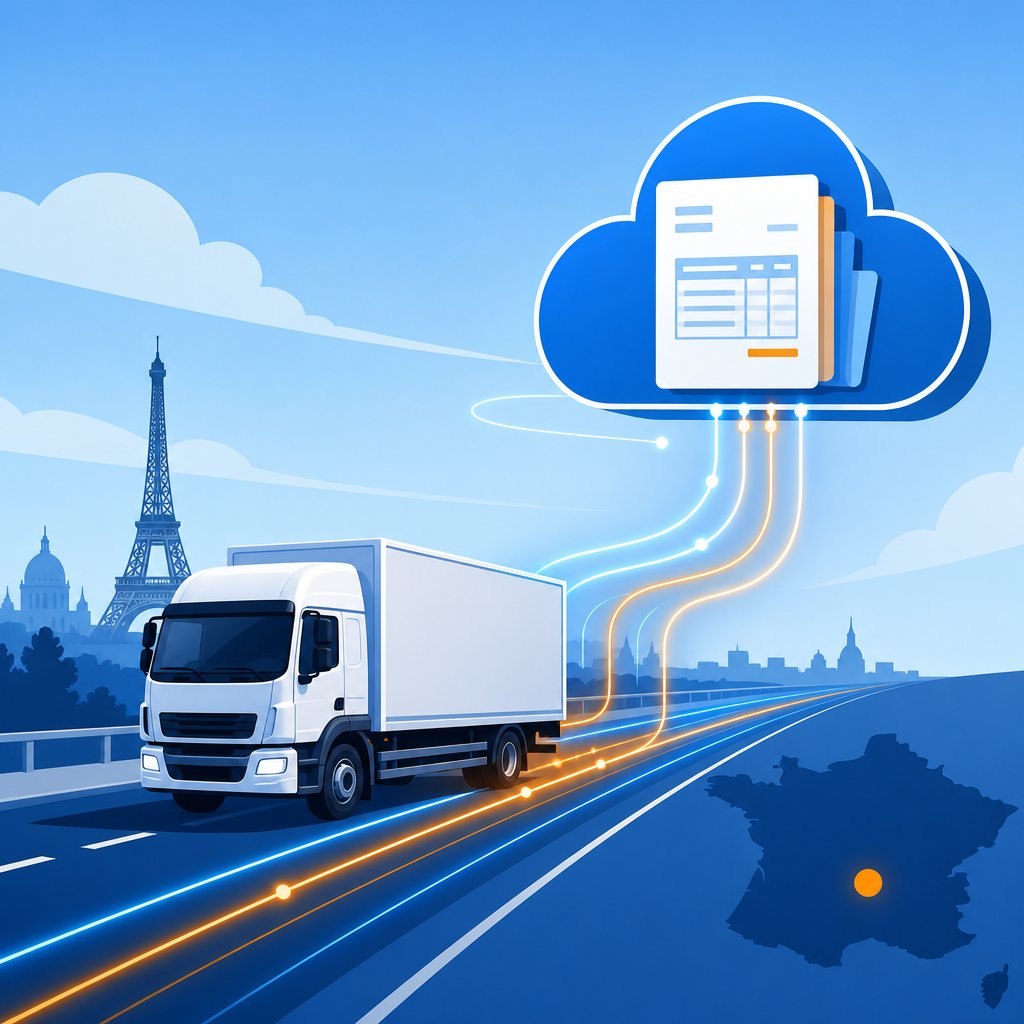
E-invoicing 2026: a major turning point for road transport
The countdown has begun. From 1 September 2026, all VAT-registered businesses in France will need to be able to receive electronic invoices via a Partner Dematerialisation Platform (PDP). On the issuing side, large companies and mid-sized enterprises will lead the way in September 2026, followed by SMEs and micro-businesses in September 2027. For carriers, this reform is more than just a tax obligation: it is an opportunity to fundamentally rethink the pre-invoicing → invoicing → collection chain.
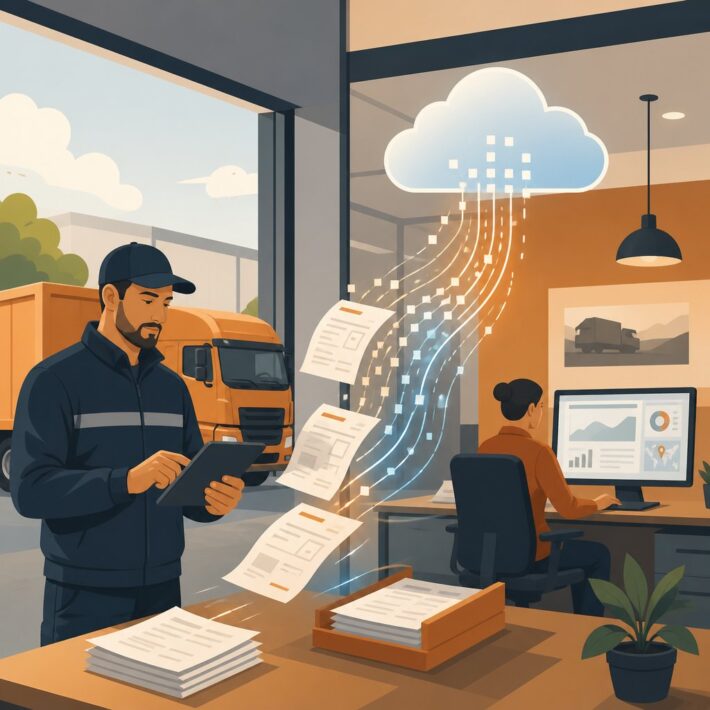
The real challenge? Avoiding the double data entry trap between your TMS and the approved platform. Without native integration, every transport invoice will need to be re-entered manually in the PDP portal: an operational nightmare for operations issuing hundreds or even thousands of invoices per month.
What actually changes for carriers
The official timeline to remember
- 1 September 2026: mandatory receipt of electronic invoices for all VAT-registered businesses.
- 1 September 2026: mandatory issuance for large companies and mid-sized enterprises.
- 1 September 2027: mandatory issuance extended to SMEs and micro-businesses.
In practical terms, from September 2026, an SME carrier invoicing a major retail chain will need to be able to send them an invoice in a structured electronic format (Factur-X, UBL or CII), via a PDP. Conversely, they will need to receive their supplier invoices (fuel, tolls, maintenance) in dematerialised form.
The end of PDF-by-email
A simple PDF sent by email will no longer be acceptable as a legal invoice between businesses. The switch to a structured format (machine-readable data) becomes mandatory, with a tracked lifecycle: submission, receipt, approval, payment processing, potential rejection.
For a carrier, this means that every transport invoice issued must include the structured data expected by the tax authorities and be routed to the correct PDP on the customer side.
Risk #1: double data entry between TMS and PDP
Many carriers are discovering that their current management tool (TMS or operations software) does not natively communicate with a dematerialisation platform. The result: operations create the pre-invoicing in the TMS, then a staff member re-enters or re-imports the invoices in the PDP portal.
This setup has three major weaknesses:
- Time loss: up to 15 minutes per re-entered invoice, equating to several full-time FTEs for large operations.
- Risk of error: amounts, order numbers, CMR numbers, invoiced units… every re-entered field is a potential source of dispute.
- Loss of traceability: impossible to know from the TMS whether the invoice has been accepted, rejected or paid without checking in the PDP.
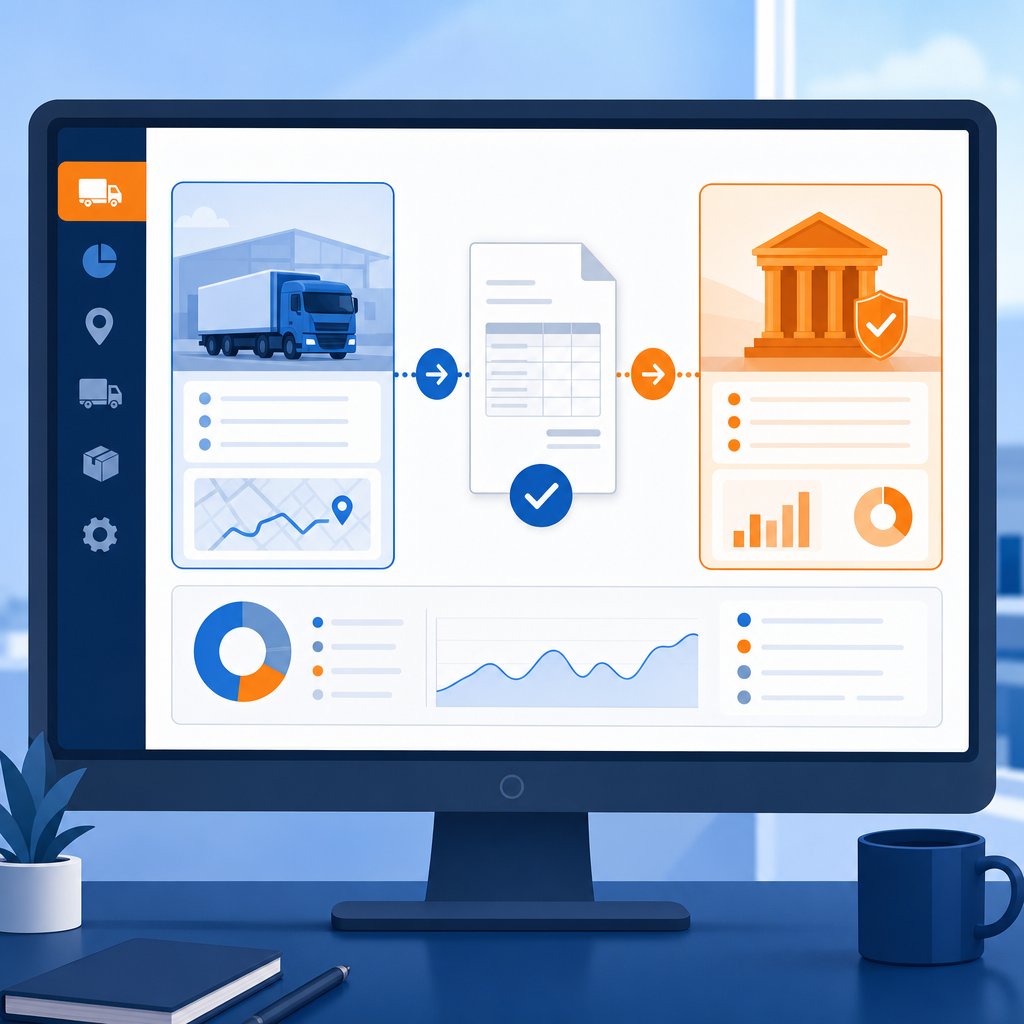
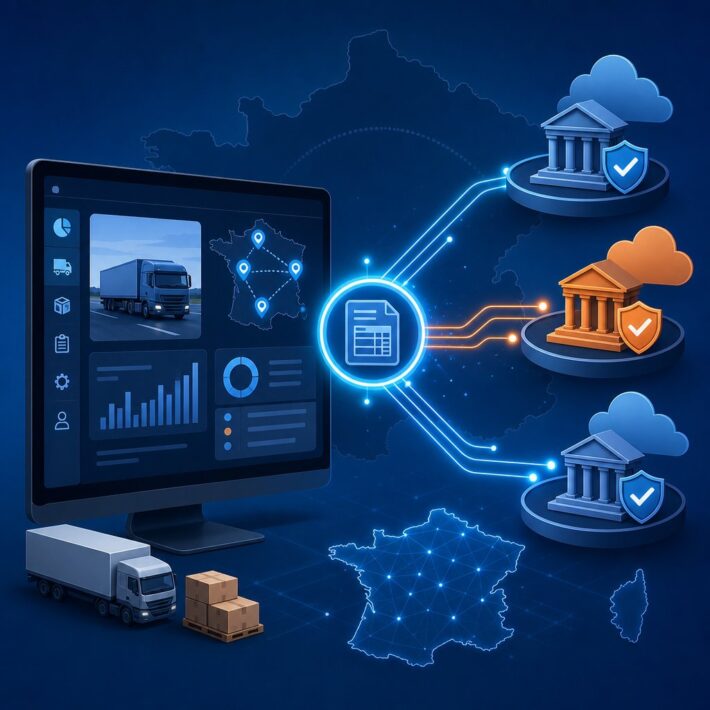
How to link your TMS to a PDP: the 4 key steps
1. Map your current invoicing flows
Before making any technical choice, list your volumes: how many customer invoices are issued per month? How many suppliers? Which formats do your clients already accept (EDI, customer portals, signed PDF)? This mapping often reveals that 20% of customers represent 80% of flows: these priority flows are where automation should be focused.
2. Choose a PDP compatible with your TMS
Not all PDPs are equal. Some offer native connectors with the main TMS solutions on the market, while others require custom developments. Key questions to ask:
- Is the PDP registered with the tax authorities?
- Does it offer a documented REST API for sending and receiving statuses?
- Does it handle Factur-X, UBL and CII formats?
- Is there a pre-built connector with my TMS?
3. Automate pre-invoicing in the TMS
The pre-invoicing stage remains at the heart of the matter. It is in the TMS that the data originates: transport order, applied rate, billable kilometres, ancillary charges (waiting time, re-invoiced tolls, variable fuel surcharge). A modern TMS must automatically generate invoice proposals based on these elements, with validation by the operator before issuance.
Once the invoice is validated, it must be automatically pushed to the PDP in a structured format, without human intervention. This is what we call a native TMS-PDP integration.
4. Retrieve statuses and close the loop
Integration does not stop at issuance. The PDP sends back statuses (submitted, refused, paid, disputed) which must automatically flow back into the TMS. This way, operations and accounting have a single view of the status of each invoice, without having to switch between multiple interfaces.
The concrete benefits of native integration
Carriers who have already anticipated the reform are seeing several measurable gains:
- Reduced invoicing lead time: from 8-10 days to 24-48 hours after delivery.
- Reduction in DSO (average payment time) of 5 to 12 days thanks to faster, error-free invoicing.
- Fewer disputes, down 30 to 50%: structured data limits misunderstandings about invoiced services.
- Freed-up administrative time: teams focus on value-added collection rather than data re-entry.
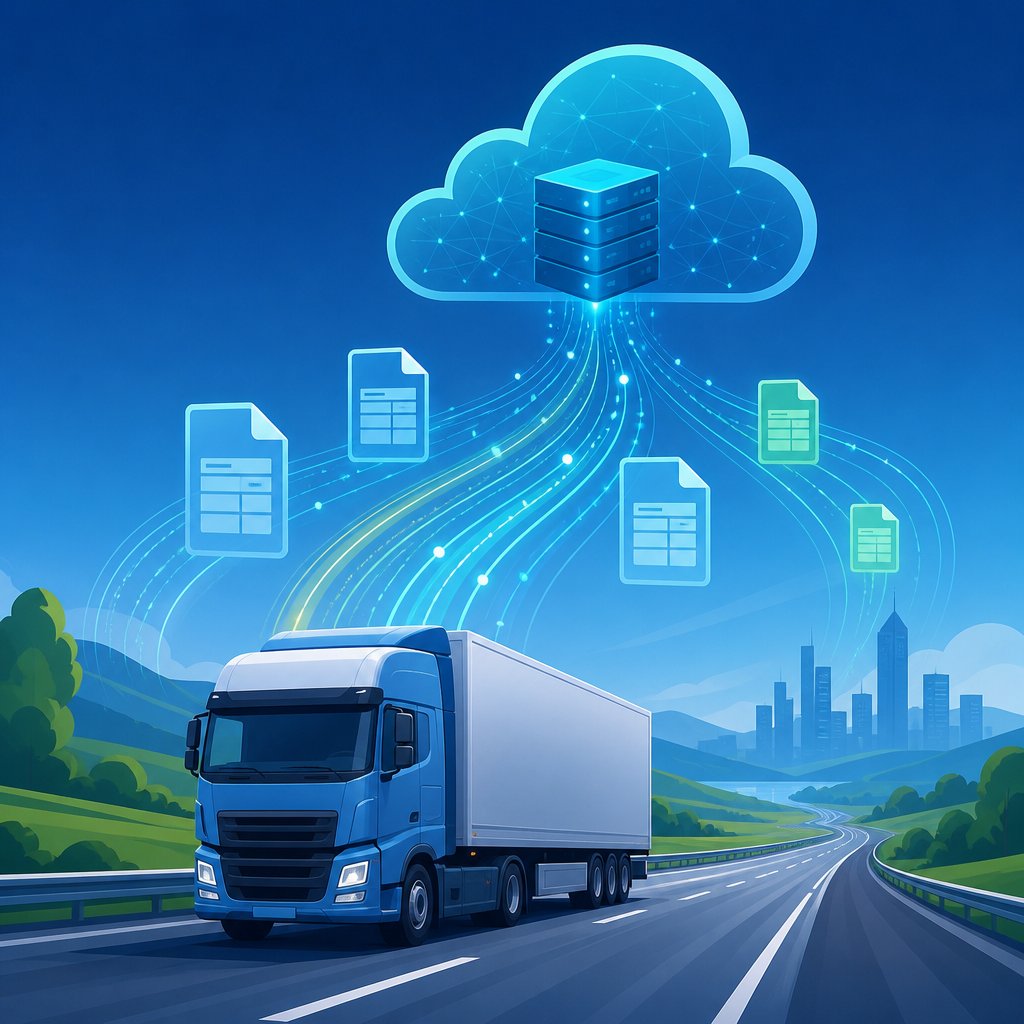
Transport invoicing digitalisation in France: pitfalls to avoid
Waiting until the last moment
September 2026 may seem far off, but setting up a native integration (choosing a PDP, configuring the TMS, end-to-end testing, training teams) takes on average 4 to 6 months. Carriers who leave it until summer 2026 risk experiencing major slowdowns.
Overlooking transport-specific requirements
A transport invoice is not like any other invoice: it references transport orders, CMRs, loading and delivery locations, sometimes indexed rates (diesel, tolls). A generic connector may fail to carry this data into the mandatory fields. Opt for a solution designed for the industry.
Underestimating change management
Operators, invoice clerks and accountants will have to review their habits. Anticipate training, document new processes and appoint an internal e-invoicing lead.
The Everest: aiming for zero re-entry and zero-dispute invoicing
Our conviction among transport industry players? E-invoicing should not be seen as a regulatory constraint, but as an opportunity to reach an operational Everest: a fully automated invoicing chain, where every completed trip automatically generates an accurate invoice, delivered to the customer within minutes, with real-time tracking through to payment.
This Everest means zero re-entry, zero avoidable disputes, controlled DSO and teams refocused on customer relations and operations. It is achievable today, provided you make the right technology choices and place native TMS-PDP integration at the heart of your strategy.
Conclusion: act now
E-invoicing 2026 is a large-scale reform, but it is by no means insurmountable for carriers who prepare methodically. The key to success can be summed up in one sentence: natively connect your TMS to an approved PDP to eliminate any re-entry. By mapping your flows, choosing a compatible platform and automating your pre-invoicing, you will turn a legal obligation into a lasting competitive advantage.
Don’t just endure the reform: use it to modernise your invoicing chain, reduce your payment terms and streamline exchanges with your customers. The next 12 months are decisive: your 2027 financial performance is being decided right now.