2026 Fuel Crisis: 4 Concrete Levers to Cut Your Transport Costs
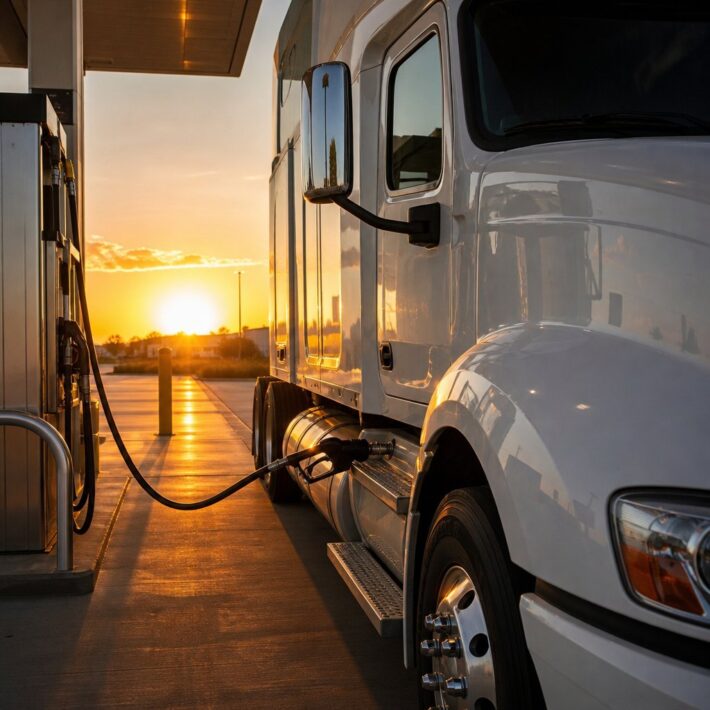
Diesel prices are soaring, your margins are shrinking, and cash flow is gasping for air. With an announced increase of around +20% on fuel in 2026, many small and medium transport businesses are wondering how to hold on. One-off subsidies help, but they don’t solve the underlying issue. The real answer lies elsewhere: hunting down unnecessary kilometres, automation, and controlled decarbonisation. Here are 4 concrete levers to turn this crisis into an opportunity.
Why the 2026 fuel crisis is a game-changer for carriers
The fuel line item represents on average 25 to 35% of operating costs for a transport company. When diesel rises by 20%, the direct impact on net margin can reach 5 to 7 points. For an SME already operating at 4-6% profitability, the equation becomes untenable.
Public schemes — exceptional grants of up to €60,000, partial TICPE refund, professional diesel tax — provide a breath of fresh air. But they are neither structural nor sufficient. Worse: they keep carriers locked in a subsidy mindset rather than an optimisation one.
Passing on the fuel surcharge to the customer? Possible, but limited. In an ultra-competitive last-mile market, any carrier who raises prices without added value loses tenders. The real work is internal: drive less to earn more.
The 3 most common sources of waste
- Poorly optimised routes: manually built itineraries, fixed stop order, unanticipated empty returns
- Manual dispatch: assigning jobs by gut feeling, without considering geographic proximity or actual vehicle load
- Lack of real-time visibility: impossible to dynamically reassign when a driver finishes early or a new urgent pickup comes in
Lever 1: advanced route optimisation, the largest source of savings
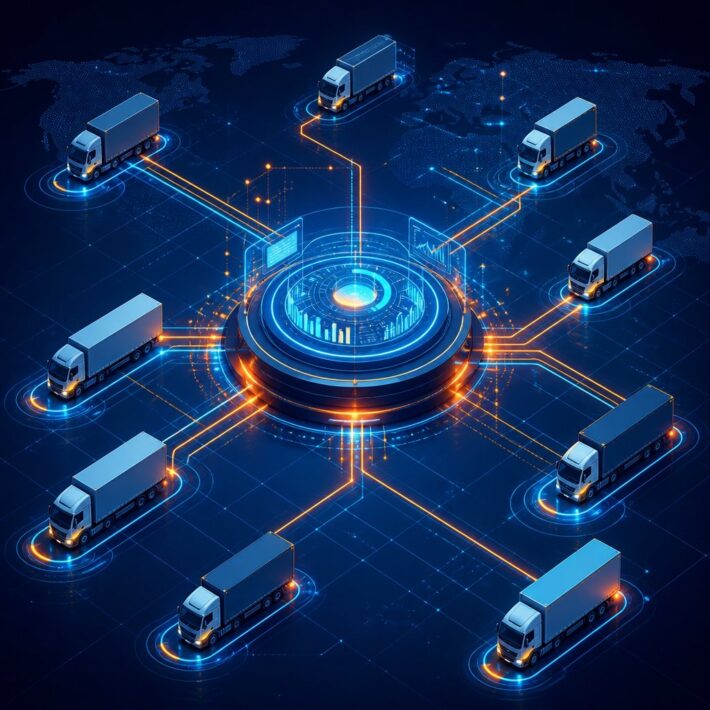
This is the most powerful lever and the fastest to activate. A modern route optimisation engine no longer just calculates the shortest path. It integrates dozens of criteria simultaneously:
- Real distance and travel time (with traffic)
- Weight, volume and vehicle compatibility
- Customer delivery windows
- Driver skills (refrigerated, tail lift, ADR)
- Differentiated cost per kilometre by vehicle
- LEZ (Low Emission Zone) constraints
Observed result for users of a high-performance TMS: 15 to 25% kilometres saved. For a fleet of 10 vehicles each driving 40,000 km/year, that represents up to 100,000 km avoided per year, or several tens of thousands of euros in fuel.
“On our routes, we cut kilometres driven by nearly 20% while delivering the same volume. That’s much less diesel and more capacity to take on new clients.” — Sébastien de Sousa Lemos, Eagles Courses
Lever 2: automated dispatch to eliminate errors and wasted time
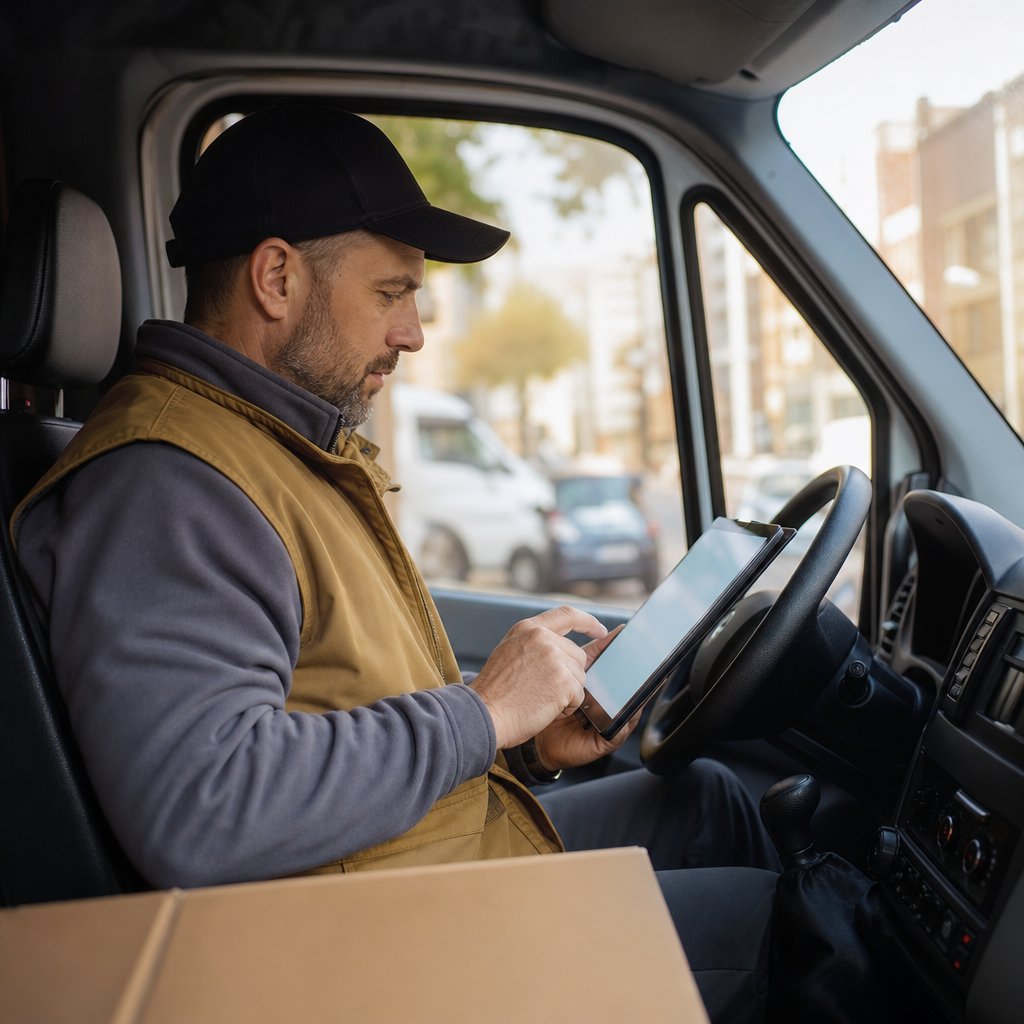
The dispatcher is the conductor of transport. Their role: assign the right job to the right driver, at the right time. It’s a demanding, high-pressure job, where every mistake costs dearly in kilometres and customer satisfaction.
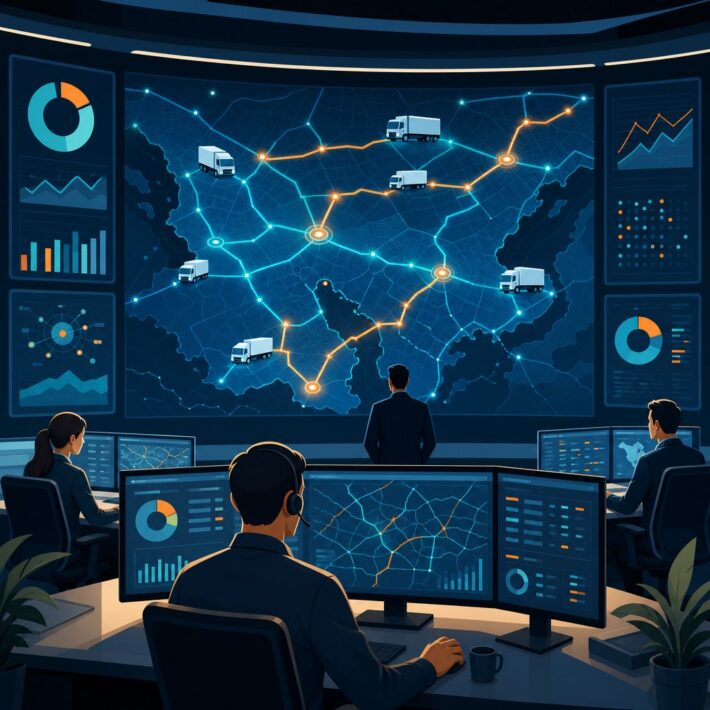
A modern dispatch software doesn’t replace the dispatcher, it multiplies their capacity. Thanks to configurable assignment rules and AI suggestions, the system automatically proposes the best assignment. The dispatcher validates with one click — or adjusts if needed.
What automated dispatch changes day-to-day
- Assignment in seconds instead of several minutes per job
- Map, list and schedule views synchronised in real time
- Push notifications to the driver on their mobile app, with pickup confirmation
- Dynamic reassignment in case of unexpected events (breakdown, delay, emergency)
New-generation AI dispatch agents go further: they anticipate peak loads, identify at-risk jobs and propose smart groupings. On fleets of more than 20 vehicles, dispatching productivity gains can reach 40%.
Lever 3: decarbonisation as a competitive advantage
Going low-carbon is no longer just an ethical or regulatory matter. It has become a direct economic lever, especially in the face of rising fuel costs and tightening LEZs.
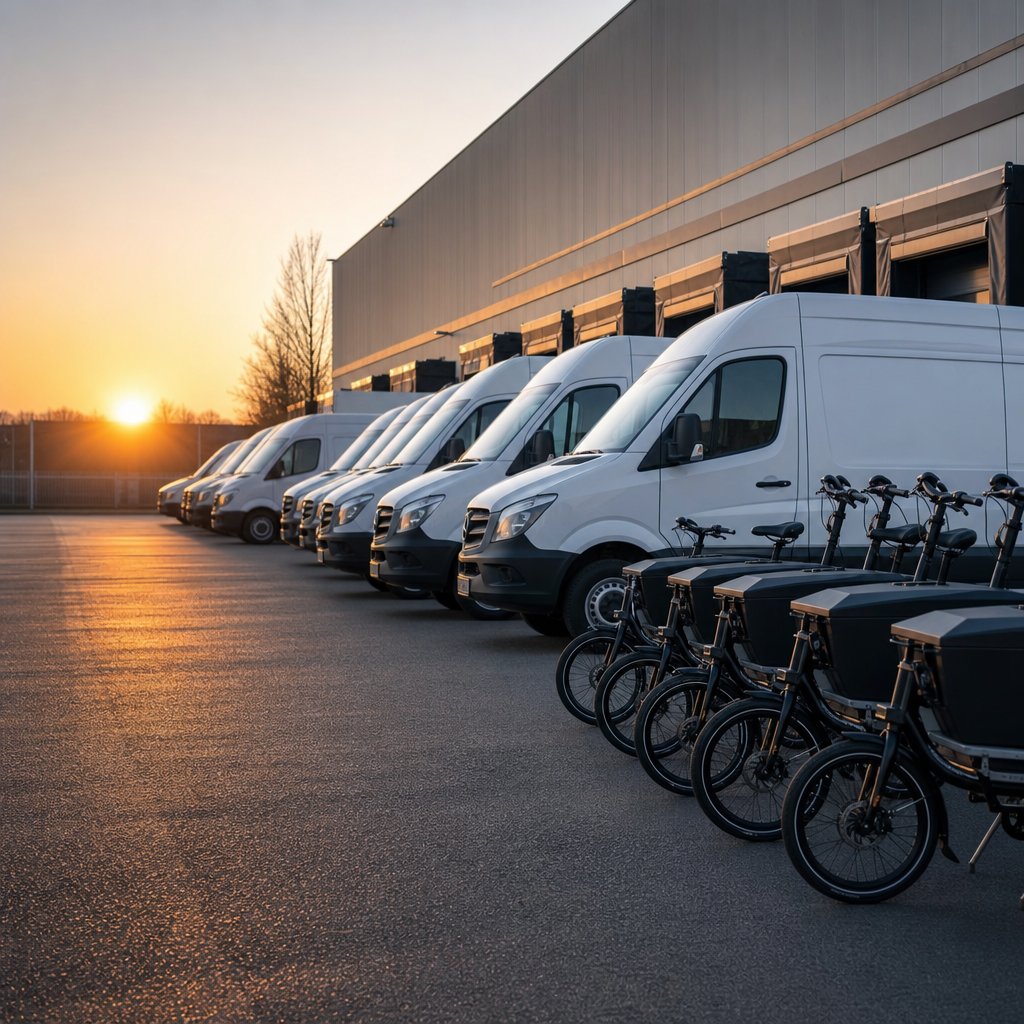
Cargo bikes and electric vehicles: double profitability
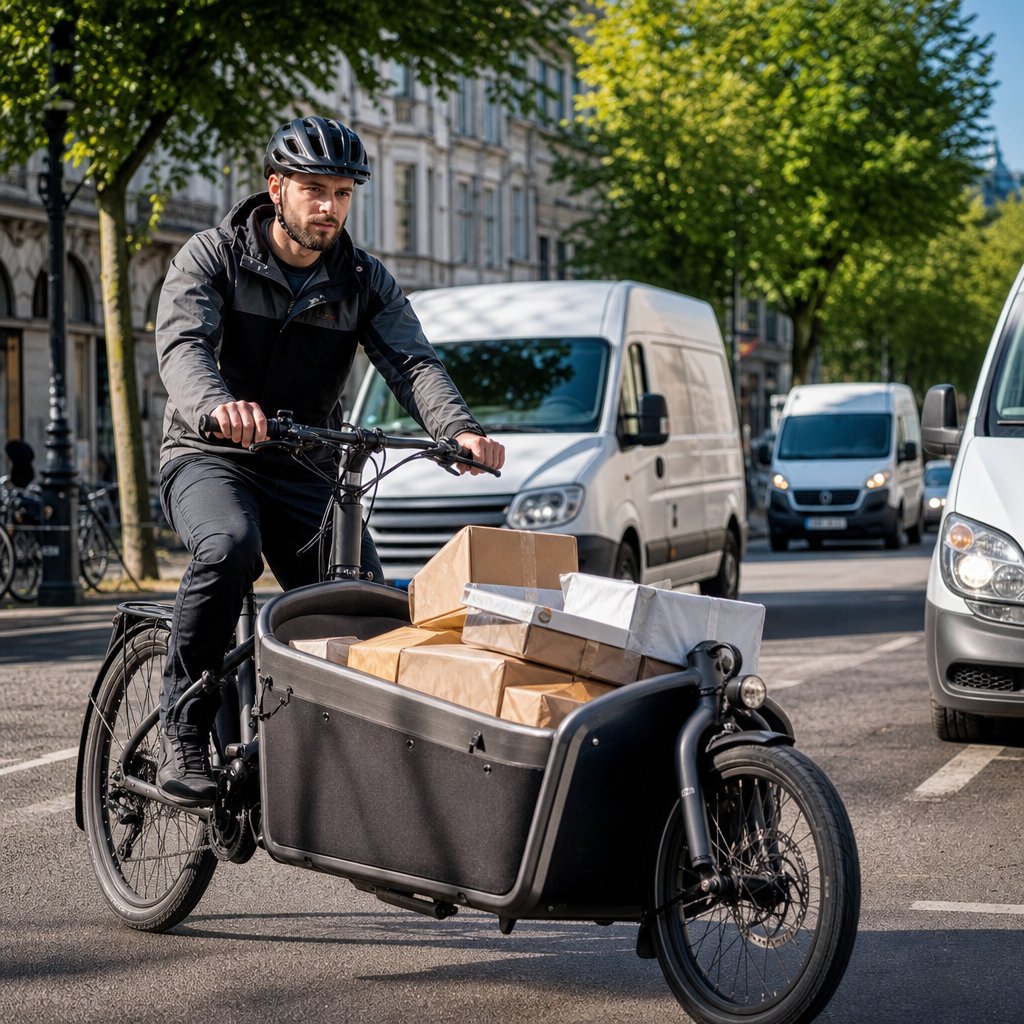
In dense urban areas, a cargo bike often delivers faster than a van, with no fuel, no paid parking, no LEZ restrictions. Operating cost per kilometre divided by 3 to 5 depending on configurations.
For intermediate distances, the electric vehicle offers an energy cost per kilometre 50 to 70% lower than diesel, especially with off-peak nighttime charging.
“Switching to cargo bikes allowed us to lower our operating costs while winning clients who value low-carbon delivery in their tenders.” — Christophe Bresch, Vlove
Commercially leveraging your approach
More and more shippers require CSR criteria and CO2 reporting in their specifications. A TMS that automatically calculates emissions avoided per route and generates CO2 reports per client becomes a strong commercial argument. You no longer just sell delivery, but traceable, low-carbon delivery.
Lever 4: centralise to gain productivity without hiring
Many carriers still juggle 5 or 6 different tools: an Excel file for routes, accounting software for invoicing, GPS for tracking, WhatsApp for drivers, another tool for clients… Every break between these tools generates errors, double entry and wasted time.
Centralising on a single TMS is a game-changer. The entire chain — order, dispatch, real-time tracking, proof of delivery, customer notification, invoicing — lives in the same environment. Data flows automatically. Teams save on average 3 hours per day, which they can reinvest in sales or service quality.
The concrete benefits of centralisation
- Automatic pre-invoicing at the end of the route, with fuel surcharge integration
- Customer notifications via SMS/email/push in white label
- Self-service customer portal: tracking, invoices, Stripe payment, without contacting your support
- Real-time KPIs: kilometres, fill rate, cost per delivery, CO2
How Everest responds to the fuel crisis
Everest is a white-label TMS designed for carriers, cyclo-logistics providers and retailers who want to regain control of their costs. Here are the key features you can activate immediately in the face of rising diesel prices:
- Multi-criteria route optimisation engine: up to 25% kilometres saved by integrating distance, load, time slots and vehicle constraints
- Automated dispatch with Walter AI: real-time assignment recommendations, map/list/schedule view, voice commands for dispatchers
- CO2 tracking per route and per client: automatic reporting to showcase your CSR approach to shippers
- Automated invoicing with fuel surcharge: configurable rate grids, automatic pass-through of price increases, subcontractor pre-invoicing
- Sherpas driver mobile app: geolocation, parcel scanning, photo and signature proof of delivery, Zebra DataWedge support
- Podchecker.ai: automated verification of proofs of delivery, up to 85% time saved on disputes and -16% complaints
All in white label: your logo, your colours, your domain name. Your customers see your brand, not the tool’s.
Key takeaways
- The fuel price rise of +20% directly threatens carriers’ margins: impossible to pass everything on to the customer
- Route optimisation remains the fastest and most profitable lever: 15 to 25% kilometres avoided
- Automated dispatch frees the dispatcher from repetitive tasks and makes assignments more reliable
- Decarbonisation (cargo bikes, electric vehicles) combines cost reduction and a commercial edge in the face of LEZs
- Centralising on a single TMS saves up to 3 hours per day without hiring
In a market where every litre of diesel counts, equipping yourself with a tool designed for operational performance is no longer an option: it’s the condition for staying competitive against major players.