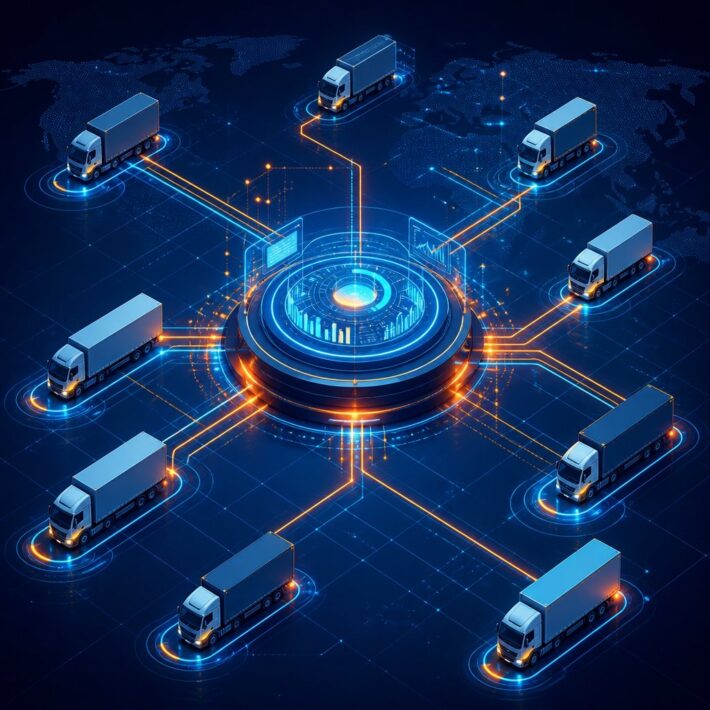
Which Route Optimization Software to Choose in Italy in 2025?

The Italian delivery market is changing fast. Between the proliferation of ZTLs (limited traffic zones) in historic city centers, the rise of Italian e-commerce, and pressure on fuel costs, choosing the right route optimization software in Italy has become a strategic challenge. Here are the concrete criteria that make the difference in 2025, whether you’re a carrier, cyclo-logistics operator, or retailer.
Why the Italian context demands a specific TMS
Italy is not France, nor Germany. Routes here are more complex for several reasons:
- Restricted historic centers: Florence, Milan, Bologna, Rome, and Naples impose strict time windows for accessing ZTLs.
- Variable topography: narrow alleys, pedestrian zones, significant elevation changes in coastal cities.
- Frequent multi-depot setups: operators often juggle several regional hubs (Milan, Turin, Bologna, Rome).
- High B2C expectations: Italian consumers expect precise time slots, polished notifications, and a smooth experience.
A route optimization software must therefore deal with these constraints, and not simply calculate the shortest path between two points.
The 7 criteria for choosing the right tool in 2025
1. A multi-criteria optimization engine
Distance, weight, volume, vehicle type, driver skills, time windows, ZTLs, pickup points: a good route optimization engine must integrate all these variables simultaneously. Basic tools that only calculate kilometric distance are already obsolete.
2. Native management of ZTLs and urban constraints
This is the number one criterion in Italy. The software must be able to:
- Automatically identify restricted access zones
- Assign the right vehicles (electric vans, cargo bikes) to zones banned to combustion engines
- Comply with city center access time windows
Without this intelligence, your drivers risk fines and your customers, delays.

3. Smart automatic dispatch
The role of the dispatcher is evolving. With rising order volumes, manual assignment becomes impossible. A modern TMS offers automatic dispatch based on customizable rules: geographic area, parcel type, urgency level, driver availability. The dispatcher thus shifts from executor to supervisor.
4. Real-time tracking and traceability
Retailers and their end customers demand full visibility. This requires:
- A driver app with geolocation
- Customizable statuses (on the way, nearby, delivered)
- A dynamic ETA recalculated in real time
- Parcel scanning and automatic archiving of proofs of delivery (POD)
5. A polished customer experience
Italy is a market where experience matters as much as the product. The TMS must enable sending delivery notifications via SMS, email, or push, with a white-label tracking link. Even better: a self-service rescheduling link for the customer drastically reduces failed deliveries.
6. APIs and automation
Good software integrates. JSON REST API, webhooks, Zapier, Make, or n8n connectors: the ability to plug into your WMS, your ERP, or your e-commerce store is decisive. Delivery automation eliminates re-entry, saves several hours a day, and drastically reduces errors.
7. Data-driven steering
A clear logistics dashboard, actionable transport KPIs, heatmaps of the most-delivered areas: data must be actionable. Without visibility on cost per delivery, success rate, or CO2 footprint, progress is impossible.
The must-haves in 2025: logistics AI
The major shift of 2025 is the massive arrival of logistics AI in TMS platforms. Three use cases stand out:
The smart dispatch agent
An AI assistant capable of analyzing your operations in real time, answering natural-language questions (“Which driver is most behind schedule this week?”), and recommending corrective actions.
Automated proof of delivery validation
AI-powered POD validation tools automatically verify signatures, photos, and parcel condition. The result: fewer disputes, less time spent manually checking deliveries.
No-code automation
Integrated n8n or Zapier workflows let you connect the TMS to 800+ apps without a single line of code. A major advantage for organizations without a dedicated IT team.
Carrier, cyclo-logistics operator, or retailer: each their own approach
For Italian carriers
Same-day courier, route, and on-demand operators need a tool that handles pre-billing, automatic fuel surcharge, and digital chartering confirmations. All across multi-depot, multi-fleet setups.
For cyclo-logistics operators
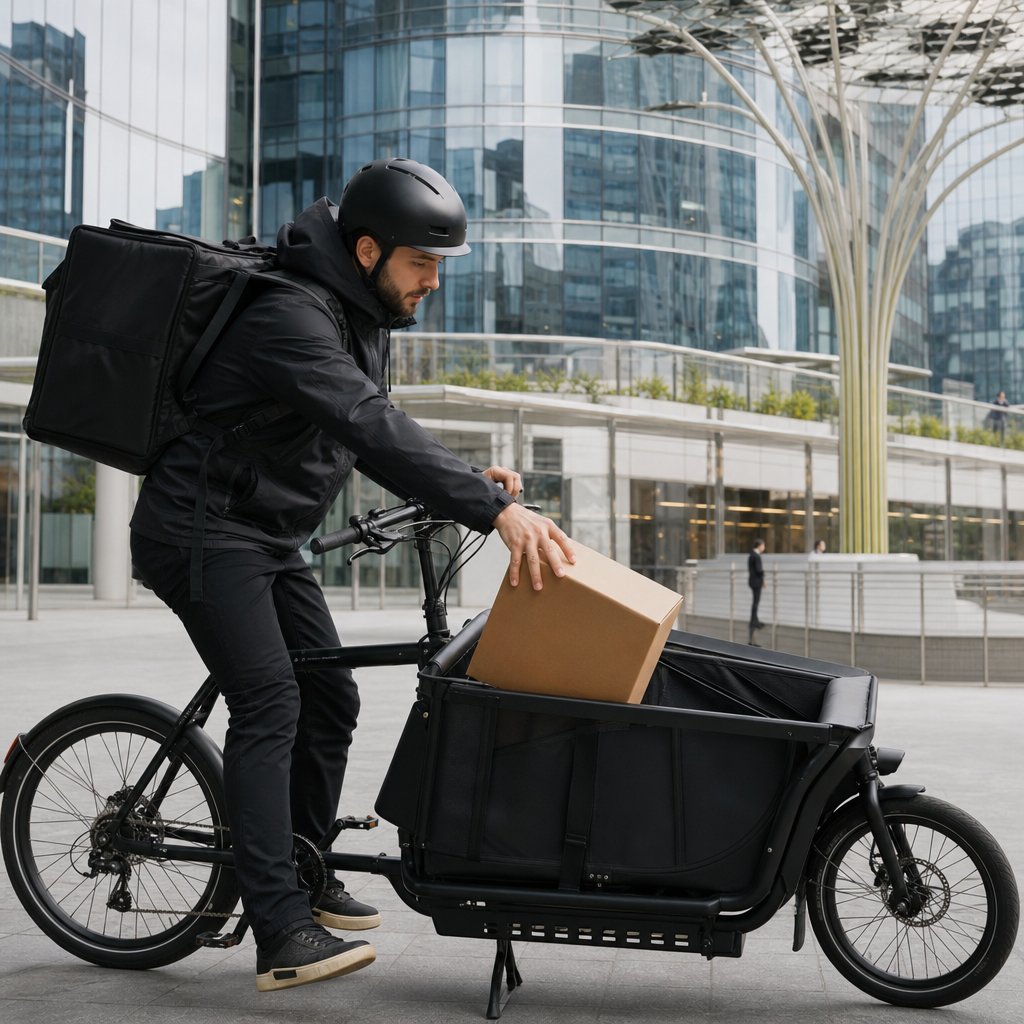
With the expansion of ZTLs in Milan, Turin, and Bologna, cyclo-logistics is booming in Italy. The TMS must be designed for cargo bikes: elevation management, reduced load capacity, dense route optimization across urban micro-zones.
For retailers and e-merchants
Ship-from-store, cart abandonment recovery, time-slot delivery, or pickup-point collection require a TMS that orchestrates multiple channels. Full white-labeling (notifications, tracking link, invoices) protects brand image.
How Everest addresses these challenges
The Everest TMS was designed to meet the specific constraints of the Italian market and European last-mile delivery. Here are the building blocks that matter:
- Multi-criteria optimization engine: takes into account ZTLs, time windows, vehicle type (combustion, electric, cargo bike), and driver skills.
- Automatic dispatch with list, map, and schedule views: customizable assignment rules and real-time push notifications to drivers.
- Sherpas app (iOS/Android): geolocation, parcel scanning, signed proofs of delivery, compatible with Zebra DataWedge scanners.
- Walter, the AI assistant: real-time analysis, recommendations, voice commands, and intelligent reporting for the dispatcher.
- Podchecker.ai: automated proof of delivery validation with 99% accuracy, up to 85% time saved, and -16% disputes.
- Native n8n automation: 800+ connectable apps, average savings of 3 hours/day, -95% data entry errors.
- Full white-labeling: domain name, graphic theme, notifications, invoices, and customer portal all branded.
“With Everest, we cut the time spent organizing routes by three, and our customers finally receive notifications worthy of the name,” sums up François Mayaud, founder of Diligo.
Key takeaways
- The Italian market imposes specific constraints: ZTLs, multi-depot operations, high B2C expectations.
- A good route optimization software must combine a multi-criteria engine, smart dispatch, real-time tracking, and AI.
- APIs and no-code automation have become essential to integrate with your ecosystem.
- Logistics AI (dispatch agent, POD checker, n8n workflows) is the major differentiator in 2025.
- Depending on your business — carrier, cyclo-logistics operator, or retailer — functional priorities differ: choose a modular and configurable TMS.
Choosing the right tool means gaining productivity, service quality, and margin. A modern, connected, AI-powered TMS is no longer an option: it’s the prerequisite to remain competitive in the Italian last-mile market.